Insights & Updates
Maritime Security in California: A Niche Most Security Companies Don't Cover
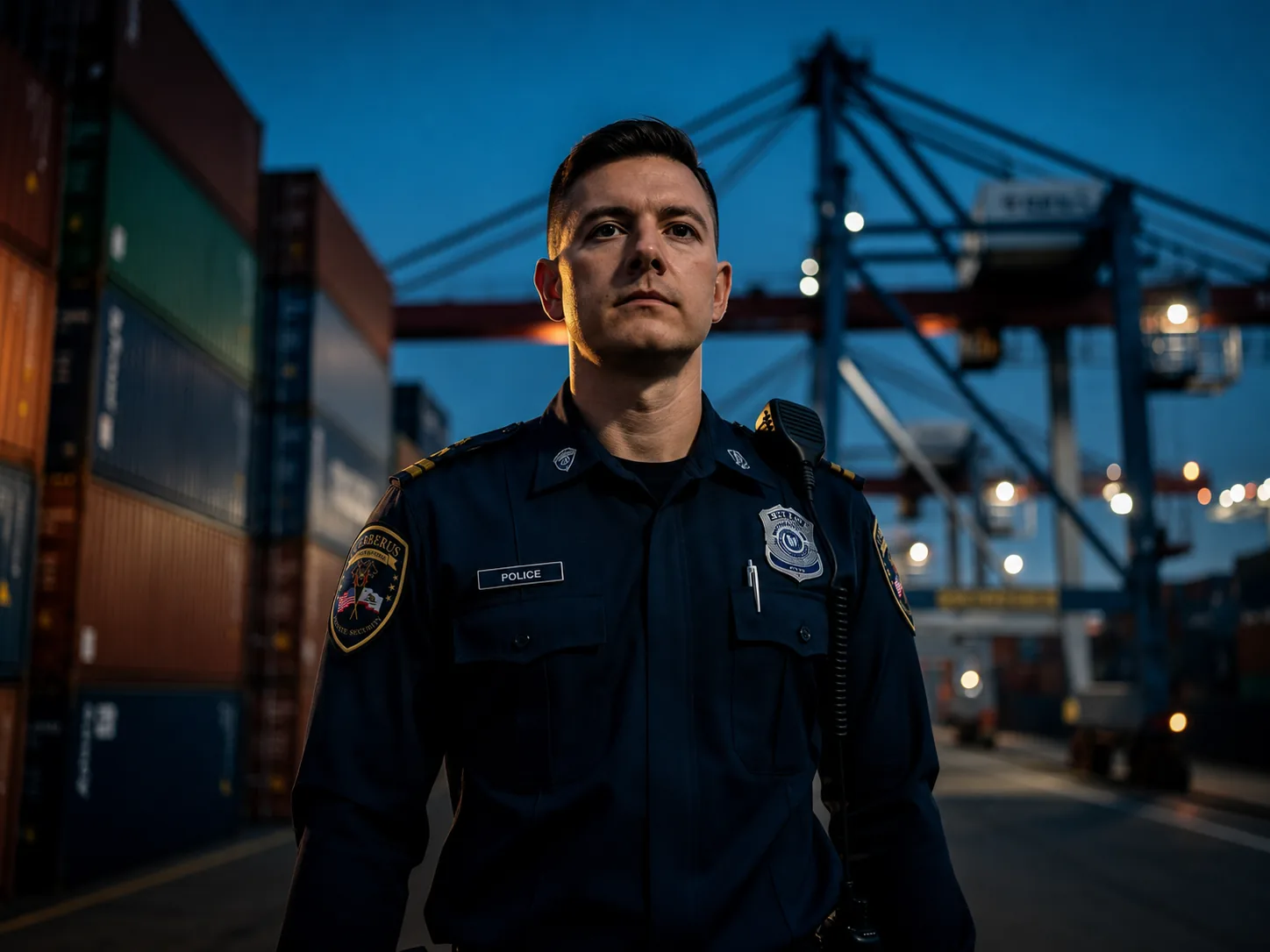
Maritime security is a specialized field. California's ports, shipyards, and waterfront facilities operate under a different regulatory framework than land-based properties. The Maritime Transportation Security Act (MTSA), Coast Guard regulations, and TWIC requirements create a compliance landscape that general security companies rarely understand. Facilities in Oakland, Long Beach, San Diego, and smaller ports throughout California need security officers who are not just trained in general security, but in maritime-specific protocols. This guide explains what maritime security actually requires and why it matters for California waterfront operations.
Maritime security is a specialized field. California's ports, shipyards, and waterfront facilities operate under a different regulatory framework than land-based properties. The Maritime Transportation Security Act (MTSA), Coast Guard regulations, and TWIC requirements create a compliance landscape that general security companies rarely understand. Facilities in Oakland, Long Beach, San Diego, and smaller ports throughout California need security officers who are not just trained in general security, but in maritime-specific protocols. This guide explains what maritime security actually requires and why it matters for California waterfront operations.
TWIC — Transportation Worker Identification Credential
TWIC is a federally mandated credential for workers who need unescorted access to secure areas of maritime facilities and vessels. Administered by the Transportation Security Administration (TSA), TWIC requires a background check, fingerprinting, and a security threat assessment. Security officers working at MTSA-regulated facilities must hold valid TWIC credentials. This is not optional. Without TWIC, an officer cannot work in secure areas. The credential must be visible at all times and must be presented for inspection. TWIC renewal is required every five years. Security companies that serve maritime clients must ensure their officers are TWIC-certified before assignment.
MTSA and the Facility Security Plan
The Maritime Transportation Security Act (MTSA) requires certain facilities and vessels to develop and implement Facility Security Plans (FSPs) or Vessel Security Plans (VSPs). These plans are approved by the U.S. Coast Guard and specify security measures at three levels: Level 1 (normal), Level 2 (elevated threat), and Level 3 (imminent threat). Security officers must be familiar with the FSP for the facility they protect. They must know which areas are restricted, what access control procedures apply, what vehicle inspection requirements exist, and how to respond to security breaches. The FSP is not public information, but officers must be trained on its contents as part of their assignment.
Access Control at Maritime Facilities
Maritime access control is more complex than typical commercial property security. It involves: vehicle inspection, cargo verification, credential checking (TWIC, facility badges, visitor passes), water-side monitoring, and perimeter patrol. Vehicles entering secure areas may be inspected for contraband, unauthorized personnel, or hazardous materials. Cargo must be verified against manifests. Personnel must present TWIC and facility credentials. Water-side access is monitored for unauthorized vessels approaching the facility. Perimeter patrols cover fences, gates, and waterside barriers. The access control process is documented in logs that may be reviewed by Coast Guard inspectors.
Water-Side Security and Perimeter Patrol
Maritime facilities have two perimeters: land-side and water-side. Land-side security resembles traditional property security: fences, gates, vehicle barriers, and access points. Water-side security is different. It involves monitoring vessel traffic, responding to unauthorized approaches, and protecting against water-borne threats. Security officers may watch from shore or patrol in vessels depending on the facility. The goal is to prevent unauthorized vessels from approaching vulnerable areas such as berths, fuel terminals, or cargo loading zones. Water-side patrols are often coordinated with the Coast Guard or local harbor patrol.
Cargo and Container Security
Cargo security is a major concern at ports and terminals. Security officers may be involved in: container seal verification, cargo integrity checks, high-value cargo protection, and tamper detection. Container seals are inspected to ensure they match shipping documents and show no signs of tampering. High-value cargo may require continuous guard presence or enhanced monitoring. Officers document any discrepancies or irregularities. Cargo security is often integrated with customs and Coast Guard inspections. The security team's role is to observe, report, and protect until the appropriate authorities are notified.
Emergency Response and Coordination
Maritime emergencies require specialized response. Fire, hazardous material spills, man overboard, and security breaches each have specific protocols. Security officers must know how to: activate facility alarms, notify the Coast Guard or harbor patrol, coordinate with local fire and police, evacuate non-essential personnel, and document the incident. Emergency drills are required under MTSA, and security teams participate in these exercises. The response to a security incident may involve Coast Guard boarding teams, local law enforcement, and federal agencies. Security officers serve as the first responders and coordinators until those agencies arrive.
California's Major Ports and Regional Needs
California's maritime infrastructure includes major ports in Oakland, Long Beach, and San Diego, as well as smaller regional ports and private shipyards. Each facility has different security requirements based on its size, cargo mix, and MTSA designation. A container terminal in Long Beach handling international cargo faces different risks than a regional marina or a shipyard building vessels. Security plans must match the specific facility. Officers need training not just in maritime security, but in the specific protocols of the facility they protect. One-size-fits-all security does not work in maritime environments.
Verification Before Service Claims
Maritime security is a specialized service. Before a security company claims maritime capability, it should verify: that its officers hold current TWIC credentials, that it has experience with MTSA-regulated facilities, that it understands FSP implementation, and that it can provide Coast Guard-compliant documentation. Not all security companies can meet these requirements. Facilities should ask for proof of TWIC certification, references from other maritime clients, and evidence of Coast Guard coordination before selecting a maritime security provider.
This Is a Niche — Not All Security Companies Cover It
Maritime security requires specialized knowledge, credentials, and experience. General security companies that focus on retail, office, or event security rarely have the expertise to serve MTSA-regulated facilities. The regulatory requirements, the technical protocols, and the operational environment are all different. When selecting a maritime security provider, look for: TWIC-certified officers, maritime-specific training, experience with ports or shipyards, familiarity with MTSA and FSPs, and Coast Guard coordination capability. These are not standard offerings in the security industry.
Secure your maritime facility with TWIC-certified officers, MTSA expertise, and Coast Guard-compliant protocols.
Request a Security Assessment →Maritime security protects critical infrastructure. California's ports are gateways for international trade, and their security is essential to the supply chain. The right security partner understands the regulatory framework, has appropriately credentialed officers, and can implement the specific security measures required by MTSA and the Coast Guard. Maritime security is a niche, but for the facilities that need it, it is essential.
Related services and areas for maritime security california ports and waterfront
maritime security california ports and waterfront FAQ
What is TWIC?
TWIC is the Transportation Worker Identification Credential, a federally mandated security credential for workers who need unescorted access to secure areas of maritime facilities and vessels. It requires a TSA background check and must be renewed every five years.
Do maritime security officers need TWIC?
Yes. Security officers working in secure areas of MTSA-regulated maritime facilities must hold valid TWIC credentials. Without TWIC, they cannot work in those areas.
What is MTSA?
MTSA is the Maritime Transportation Security Act, a federal law that requires certain maritime facilities and vessels to develop and implement security plans approved by the U.S. Coast Guard.
What is a Facility Security Plan?
A Facility Security Plan (FSP) is a Coast Guard-approved security plan for a maritime facility. It specifies security measures at three threat levels and defines access control, patrol procedures, and emergency response protocols.
Do general security companies provide maritime security?
Not typically. Maritime security requires specialized knowledge, TWIC certification, and familiarity with MTSA and Coast Guard regulations. General security companies rarely have this expertise.
What makes maritime security different from other types of security?
Maritime security involves water-side perimeter monitoring, TWIC credential requirements, MTSA compliance, cargo security, and coordination with the Coast Guard. These requirements do not apply to land-based commercial or retail security.