Insights & Updates
Fire Watch Logs and Documentation
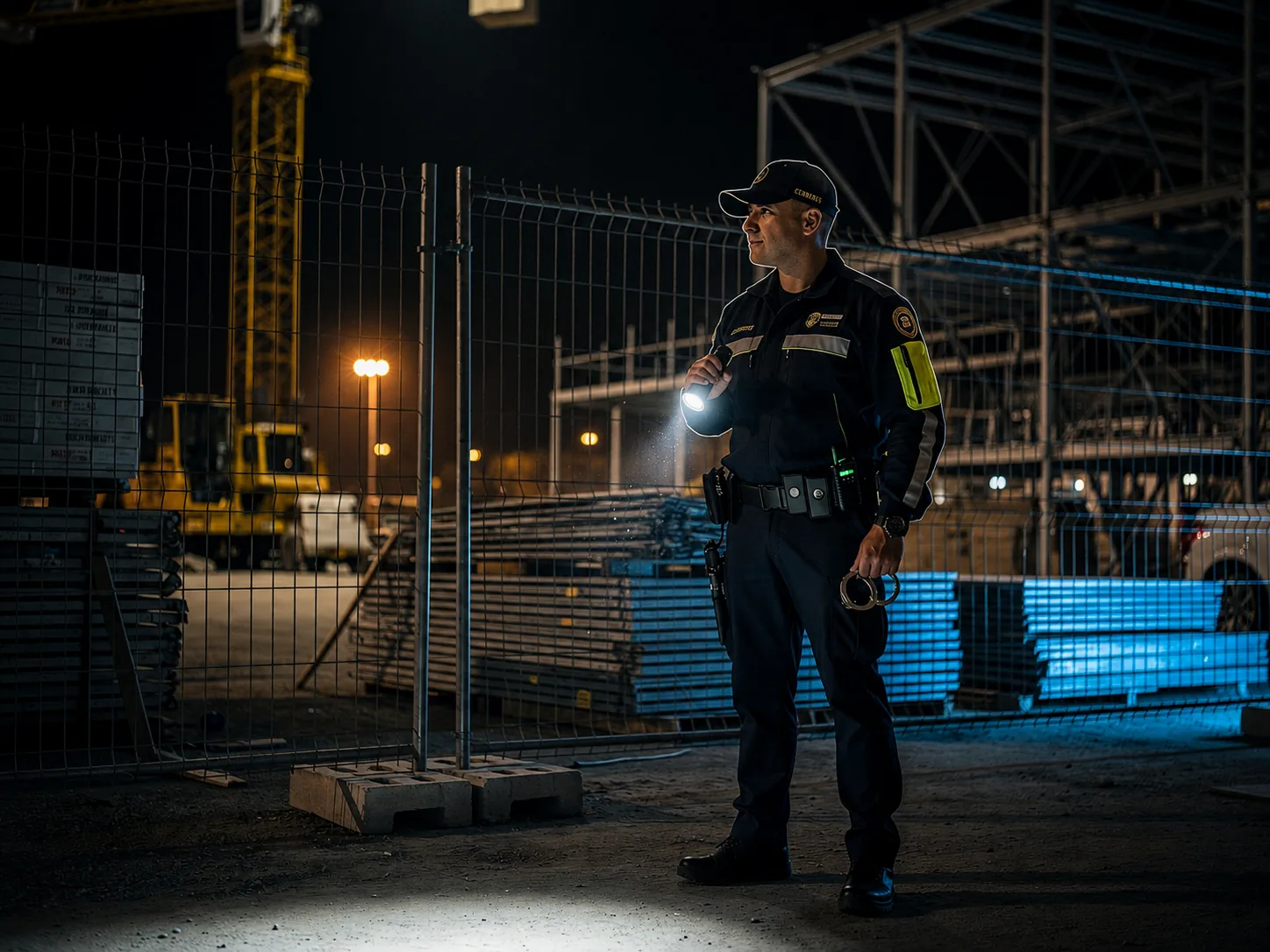
A fire watch is only as strong as its paper trail. Here is what a fire watch log records, how rounds are documented, and the mistakes that weaken the record.
When a building's fire alarm or automatic suppression system is out of service, a fire watch puts a trained person inside the property to look for fire, smoke, and other hazards until protection is restored. What separates a real fire watch from a token presence is documentation. The logbook is the record that rounds were actually walked, that hazards were noticed, and that someone was notified. For property managers, contractors, and hotel engineers working through an impairment, that written trail is often the single most important deliverable, because it is the only durable proof of what happened during a period when the building's normal protection was reduced.
Why the Logbook Carries as Much Weight as the Patrol
A fire watch without documentation is nearly impossible to distinguish from no fire watch at all. If a fire department, insurer, or building owner later asks what happened while a system was down, the log answers the basic questions. Who was on site. When each round was completed. What was observed. What was done about it. Complete entries also demonstrate a consistent, good-faith effort to manage an elevated risk, which matters to everyone responsible for the building during that window. In practice, the log is the document that gets attached to an incident report or an insurance file long after the system is back online, and it is usually read by people who were not present at the time.
What Belongs in a Fire Watch Log
A useful log is simple, chronological, and complete. It should be readable by someone who was not on shift and still make the sequence of events clear. Most entries fall into a small set of categories.
- Time and date of each round: the start and completion time rather than a single estimate
- Officer identification: the guard's name and post or license identifier
- Areas inspected: each floor, zone, or structure covered on that pass
- Conditions observed: smoke, heat, odors, alarm status, blocked exits and fire lanes
- Hazards identified: combustible storage, damaged wiring, hot work, or ignition sources
- Action taken: who was notified, at what time, and what changed as a result
- Relief and signature: outgoing and incoming officers initial the page at handover
How a Round Is Actually Structured
Rounds are either continuous or scheduled at short, regular intervals so the impaired area is never left unobserved for long. Where a system is fully offline, the watch may need to be continuous rather than intermittent. On each pass the officer walks the specific zone that has lost protection, confirms the status of the impaired system, verifies that exits and fire lanes remain clear, and watches for any sign of combustion. Entries are written at the time of the round rather than reconstructed at the end of a shift. A log filled out hours later loses much of its evidentiary value and can raise more questions than it answers. The round structure should also be written down, so the officer covering the next shift follows the same path and the same timing.
Documentation Mistakes That Weaken the Record
- Blank time slots that suggest a round was skipped
- One long summary entry in place of per-round notes
- Illegible or penciled corrections with no initials
- A hazard recorded with no follow-up or notification
- A single copy that cannot be produced when requested
Fire Watch Logs on Construction and Renovation Sites
Construction and renovation sites raise the stakes for documentation. Alarm and suppression systems may be only partially installed, hot work such as welding or cutting introduces ignition sources, and multiple trades move through the property each day. A log on an active job should capture hot work periods, temporary protection measures, and any change in the building's fire systems, so the general contractor can see exactly how the site was monitored at each phase of the work. Logs also help the next shift pick up exactly where the last one stopped, and they give the project team a factual basis for adjusting coverage as the building changes.
Need documented fire watch coverage for an impaired fire system?
Request a Security Assessment →Related services and areas
Frequently asked questions
What is a fire watch log?
A fire watch log is the written record an officer keeps during a fire watch. It lists the date and time of each round, the areas inspected, conditions observed, hazards found, actions taken, and the signatures of the officers involved.
Who can request to see fire watch documentation?
Typically the property owner or manager, the fire department, and the property insurer. Because of that, a log should be legible, complete, and available on request rather than stored in a single inaccessible place.
How often should fire watch rounds be logged?
The interval depends on the impairment and the instructions the property has received. Some watches require continuous observation, while others use short, regular intervals. Whatever the interval, each round should be entered at the time it happens.
Does a fire watch log have to be handwritten?
No. Paper logbooks are common, and electronic logging is also used. The important qualities are the same either way: entries made in real time, a clear sequence, and a record that cannot be quietly altered after the fact.
What happens when a hazard is found during a fire watch round?
The officer documents the hazard, takes immediate action within their training, and notifies the responsible person at the property. The notification and the response are recorded so the follow-up is visible in the log.
Can 1 Cerberus provide fire watch documentation for a construction site?
Yes. Officers can maintain a logbook covering rounds, hot work periods, temporary protection measures, and changes to the site's fire systems, and the log is available to the general contractor.