Insights & Updates
On-Site Security vs. Mobile Patrol
A dedicated officer and a visiting patrol vehicle solve different problems. Here is how the two coverage models compare, and how to combine them.
When a property needs security, the first decision is how that coverage should be delivered. An on-site officer spends the shift at your property, while mobile patrol sends a marked vehicle through on a schedule. Both create a visible presence and both produce reports, but they solve different problems. Choosing well comes down to how much continuous attention your site needs, how large it is, and what you are trying to prevent.
What On-Site Security Provides
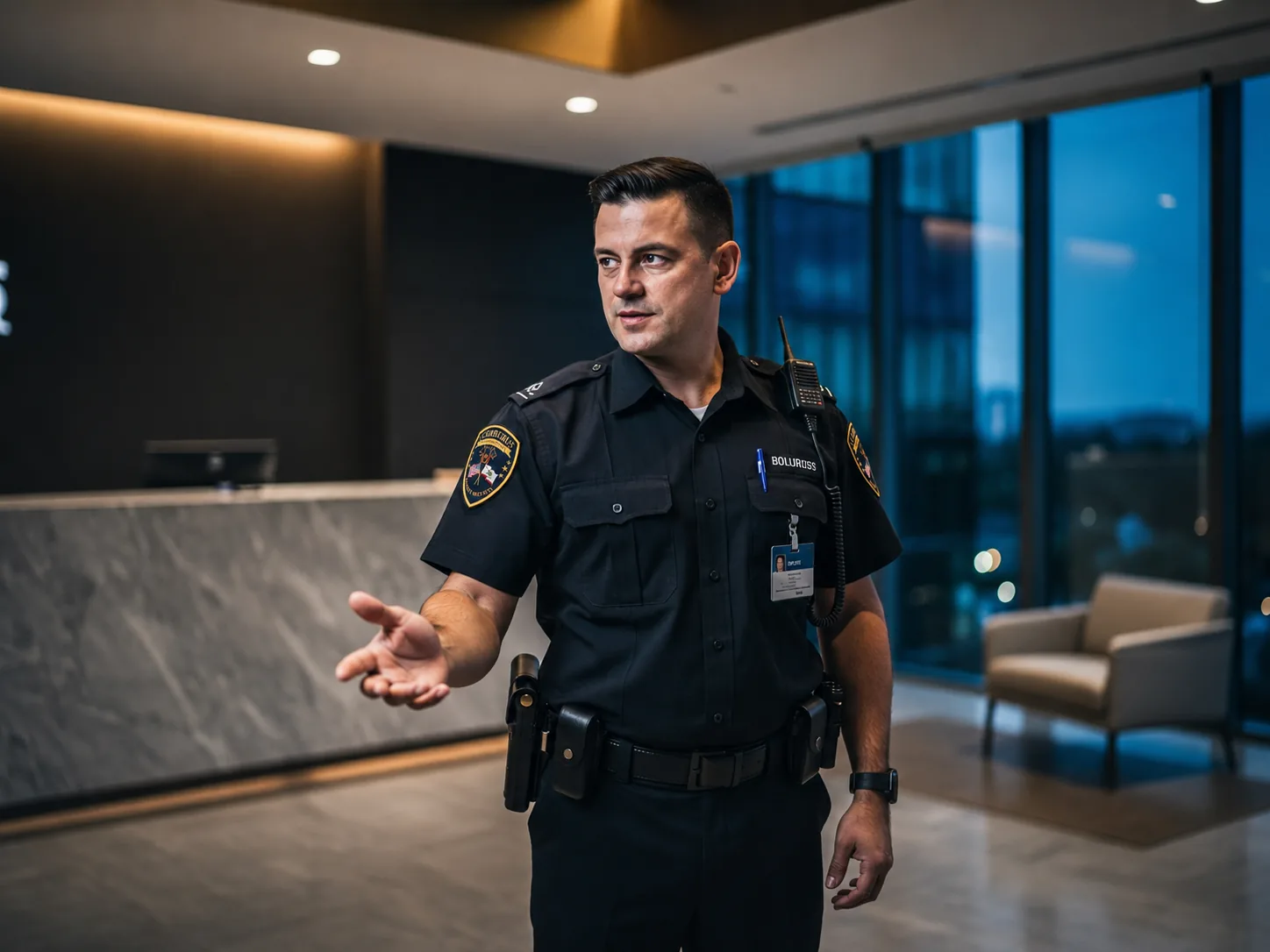
An on-site officer is dedicated to one property for the duration of the shift. That continuity allows for detailed access control, consistent visitor screening, regular interior and exterior patrols, and immediate response to anything that happens while the officer is present. A dedicated officer learns your property, your tenants, and your routines, which makes unusual activity easier to recognize. On-site coverage is the right model when a property needs a constant human presence rather than periodic checks.
What Mobile Patrol Provides
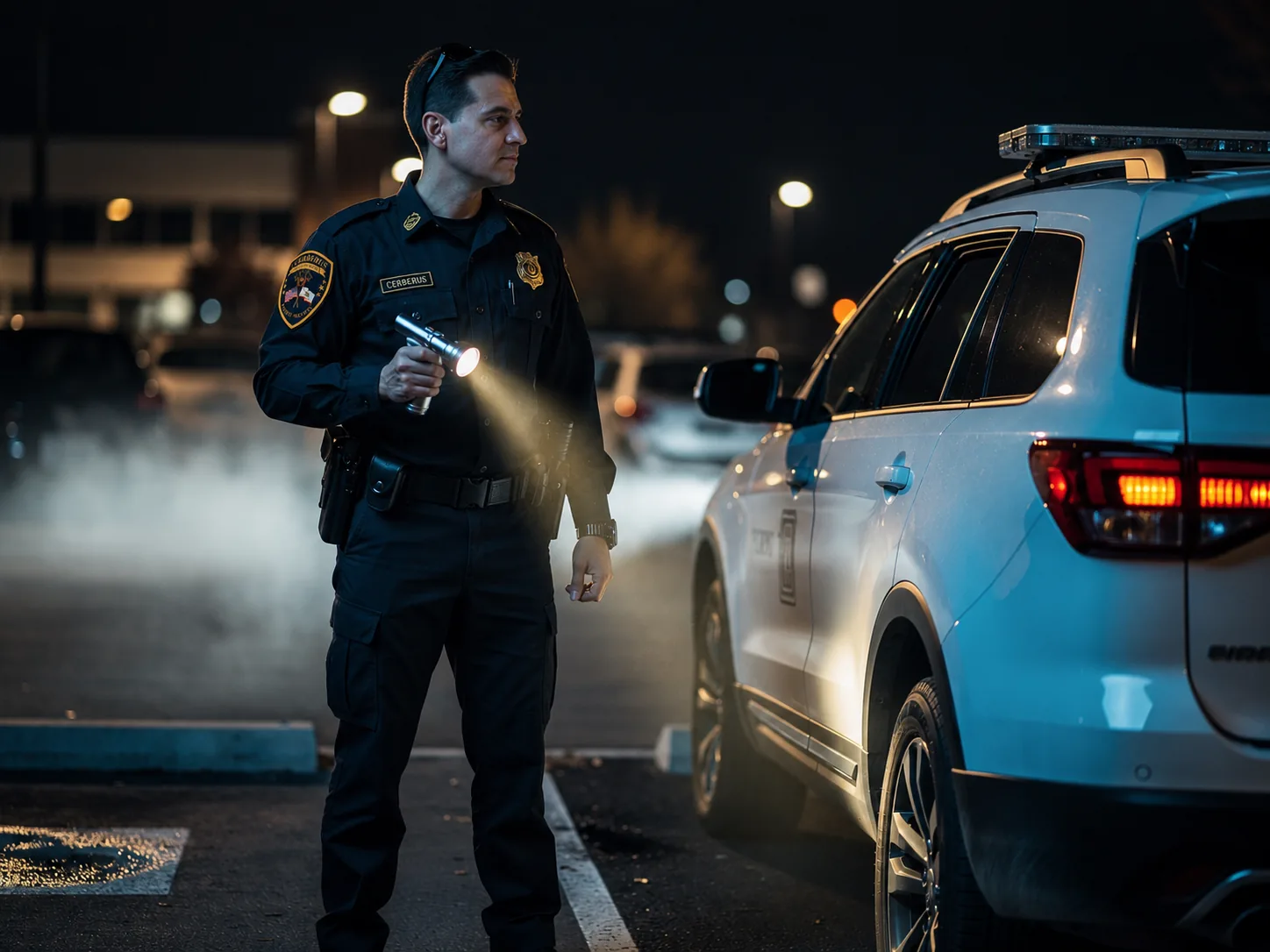
Mobile patrol uses a vehicle and officer who visit multiple properties on a route, typically at varied times rather than on a fixed schedule. Each visit usually includes a perimeter check, a look at entry points, parking areas, and any specific concerns agreed in advance, followed by a report. The randomized timing is central to the model: because the patrol does not arrive at predictable times, the property keeps an element of surprise that a fixed schedule cannot provide. Mobile patrol covers more ground with fewer officer hours than a standing post.
Frequency is the key variable. A property checked once a night is covered differently from one checked several times, and the value of each visit depends on what the officer is asked to verify. For some sites, a drive-through of the lot and a check of the doors is enough; for others, each visit should include a walk of the perimeter, an inspection of specific equipment, and a written note of conditions. Defining the checkpoints is as important as setting the schedule, because a patrol that follows the same path every time becomes predictable.
How the Coverage Models Differ
- Continuity: on-site officers are present for the whole shift, while mobile patrol visits at intervals
- Response: on-site officers can act immediately, while mobile patrol acts when on site or when dispatched
- Scope: on-site coverage suits one property, while mobile patrol suits several sites on a route
- Cost structure: on-site coverage uses dedicated officer hours, while mobile patrol shares hours across properties
- Best fit: on-site for constant access control, mobile patrol for visibility across larger or multiple sites
- Reporting: both provide reports, with different levels of detail about continuous activity
Matching the Model to Your Property
Consider what a normal day or night looks like at your site. If people come and go, deliveries arrive, and access must be managed continuously, an on-site officer is usually necessary. If the property is empty overnight, spread across a large area, or one of several locations you manage, mobile patrol may provide the visibility you need at a proportionate commitment. Vacant buildings, construction sites, industrial yards, and parking areas are common mobile patrol candidates because the main goal is a visible, unpredictable check.
Combining On-Site Officers With Mobile Patrol
The two models work well together. A property might staff an on-site officer during business hours and rely on mobile patrol overnight and on weekends, or keep a day post while a vehicle covers a distant parking lot or secondary building. Some sites use mobile patrol as backup, so an on-site officer has support if something happens. When you combine them, define which officer handles which area and how they communicate, so coverage is coordinated rather than duplicated.
Ask which coverage model fits your property, or how to combine both.
Request a Security Assessment →There is no single right answer for every property. The question is whether your site needs a continuous presence or a visible, unpredictable one, and whether it is large enough that a single location cannot be covered on foot alone. A provider that understands both models can recommend the mix that matches your risk, your layout, and your operating hours, rather than selling one approach to every client.
Related services and areas
Frequently asked questions
What is the difference between on-site security and mobile patrol?
On-site security assigns an officer to your property for the duration of a shift. Mobile patrol sends a vehicle through on a schedule of visits, often at varied times, to check the property and report on conditions.
Is mobile patrol less expensive than a full-time guard?
Mobile patrol generally uses fewer officer hours because those hours are shared across a route, while a dedicated post is staffed continuously. The actual difference depends on the coverage pattern and the site.
How often does a mobile patrol visit a property?
Visit frequency is set when coverage is planned and can vary by time of day or night. Many routes use randomized timing rather than a fixed schedule, so the visits are less predictable.
Can mobile patrol replace an on-site officer?
It can for properties that mainly need visible, periodic checks, such as vacant buildings or industrial yards. Sites that require continuous access control or visitor screening usually still need an on-site officer.
Which model is better for a vacant property?
Vacant properties are common mobile patrol candidates because the goal is a visible, unpredictable presence and documentation of conditions. If the site is large or holds valuable equipment, the patrol plan should include specific checkpoints.
Can I use on-site officers and mobile patrol together?
Yes. Many properties use an on-site officer during busy hours and mobile patrol overnight or on weekends, or use mobile patrol to cover distant areas while an officer holds a main post.