Insights & Updates
Security Guards vs. Security Cameras
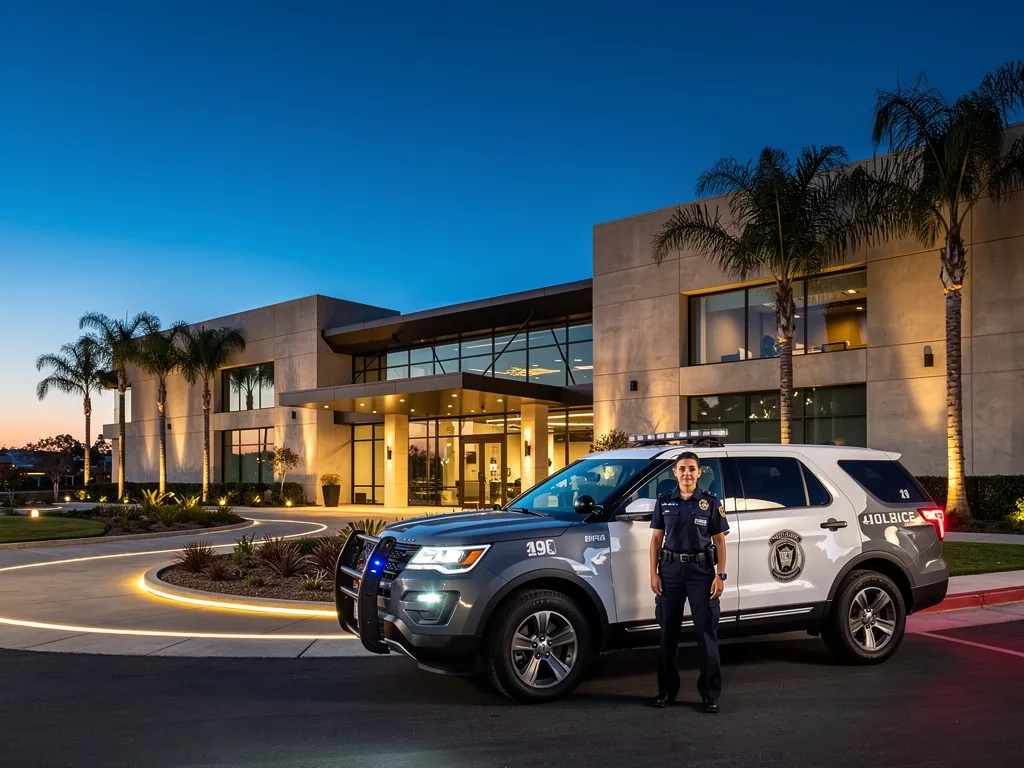
Cameras record and extend your awareness, while officers observe, deter, and respond. Here is how the two compare, and why most properties benefit from both.
Businesses often frame the question as a choice: hire security officers or install cameras? In practice these two tools do different jobs, and the strongest security programs use them together. Cameras record and extend your awareness; officers observe, deter, intervene, and represent a human presence that no lens can replace. Understanding the strengths and limits of each makes it easier to decide where your security budget will have the most effect.
What Cameras Do Well
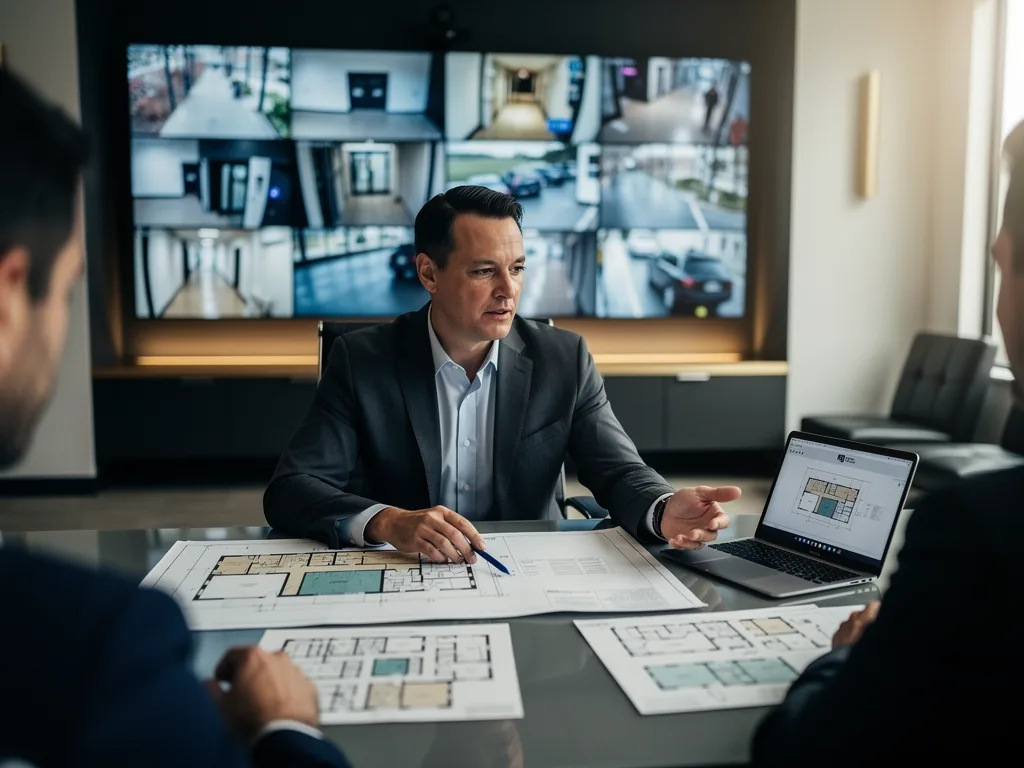
Cameras are unmatched at coverage and record-keeping. They can watch many areas at once, provide a visual record that supports investigations and insurance claims, and allow remote monitoring of a property from another location. Modern systems can detect motion, alert staff, and store footage for review. When a camera is visible, it also signals that a property is monitored, which can influence some would-be offenders. For documenting what happened after an event, camera footage is often the most reliable evidence available. Lighting and sightlines still matter, though, so a system that looks comprehensive on a plan can leave real gaps in the dark.
Where Cameras Fall Short
Cameras cannot act. They do not challenge an intruder, ask someone to leave, check a door that appears open, or help an injured person. Footage is only useful if someone is watching in real time or reviewing it later, and many properties have more coverage than staff available to monitor it. Cameras are also vulnerable to blind spots, poor lighting, weather, and outages, and a determined offender may obscure or bypass them. In short, cameras extend your eyes, but they do not provide judgment or a physical response, and that limitation shows up at exactly the moment it matters most.
What Security Officers Add
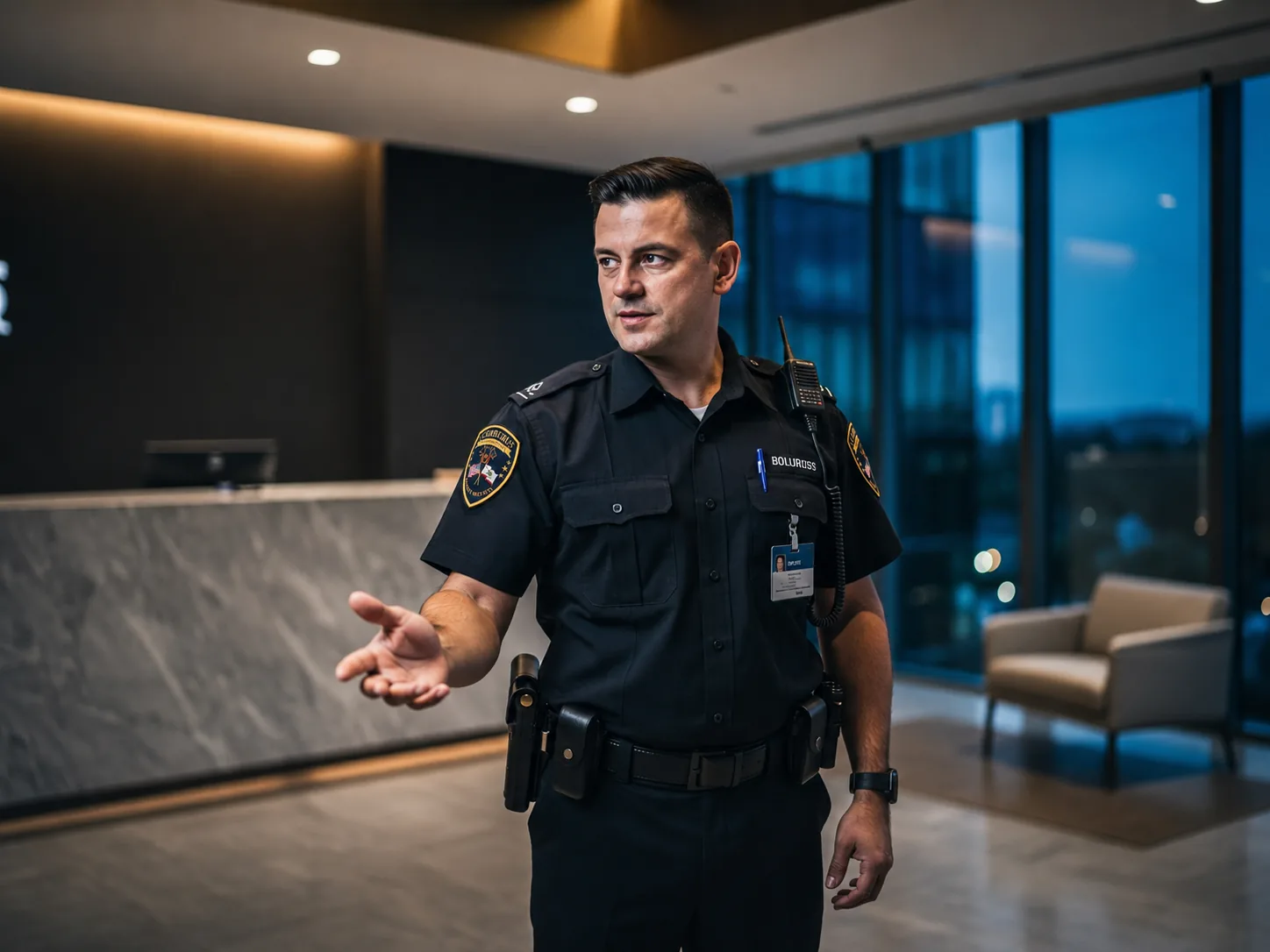
Officers provide presence, judgment, and action in the same moment. They can greet and screen visitors, notice something out of place, investigate it, and respond appropriately. Their uniformed visibility is a deterrent that works in real time, because someone considering a crime sees a person who is watching. Officers also handle the human side of security: de-escalating disputes, helping customers and employees, coordinating with emergency services, and writing reports that capture context a camera could not. Because they are people, officers can also build relationships with staff and regular visitors, which often surfaces information a camera would never capture.
Deterrence and Response in Practice
Think about what happens at the moment of a problem. A camera may record it, but an officer can interrupt it. That difference matters for trespassing, theft, disturbances, and medical emergencies, where a fast human decision changes the outcome. Cameras help identify suspects and show what occurred; officers help prevent incidents from escalating and address the situations that recording alone cannot resolve. For a property manager, that often means an incident is resolved on site rather than only documented afterward, and the two functions are complementary rather than competing.
When Each Option Fits Best
- Cameras: broad coverage, after-the-fact evidence, and remote monitoring of large or scattered areas
- Officers: active deterrence, access control, customer contact, and immediate response on site
- Cameras at low-traffic or remote areas where a standing post would be impractical
- Officers where people gather, where access must be controlled, or where intervention may be needed
- Either option where budget or site conditions make the other impractical
- Both where the property has people-facing areas and large areas that need monitoring
The Case for Combining Both
Most properties get the best result by pairing the two. Cameras give officers a wider view and a record of activity, while officers give the camera system a response capability it otherwise lacks. An officer who can check a triggered camera, investigate an alert, or retrieve footage for a report is far more effective than a monitor watched by no one. Reviewing footage together with officer reports gives a fuller account than either source alone, and it helps identify where each part of the system should be strengthened. Together they cover each other's weaknesses and produce a more complete picture of what is happening on your property.
Discuss a combined camera and officer coverage plan for your property.
Schedule a Consultation →Related services and areas
Frequently asked questions
Can security cameras replace security guards?
Cameras are valuable for coverage and recording, but they cannot act. They cannot challenge an intruder, help someone in distress, or make a judgment call in the moment. For many properties, cameras and officers work best together.
Are cameras cheaper than hiring security officers?
Camera systems and security officers have different cost structures and capabilities. Cameras may require less ongoing labor, while officers provide presence and response. The right choice depends on the property and what needs protecting.
What can a security officer do that a camera cannot?
An officer can deter an offender in person, screen visitors, investigate something unusual, de-escalate a dispute, respond to a medical emergency, and coordinate with police. A camera can only record.
Do security officers benefit from camera systems?
Camera systems help officers by extending visibility and providing footage for reports. An officer who can review camera views is more effective than one working without them, especially on large properties.
Which is better for a retail store?
Many retail properties use both. Cameras document incidents and cover areas staff cannot watch continuously, while officers provide visible deterrence, support loss prevention, and handle customer-facing situations.
Should I choose guards or cameras on a limited budget?
Start with the risk you are trying to address. If the main need is a documented record, cameras may help; if the need is presence and intervention, officers are more appropriate. A provider can help you weigh coverage against cost.