Insights & Updates
What Is Event Security?
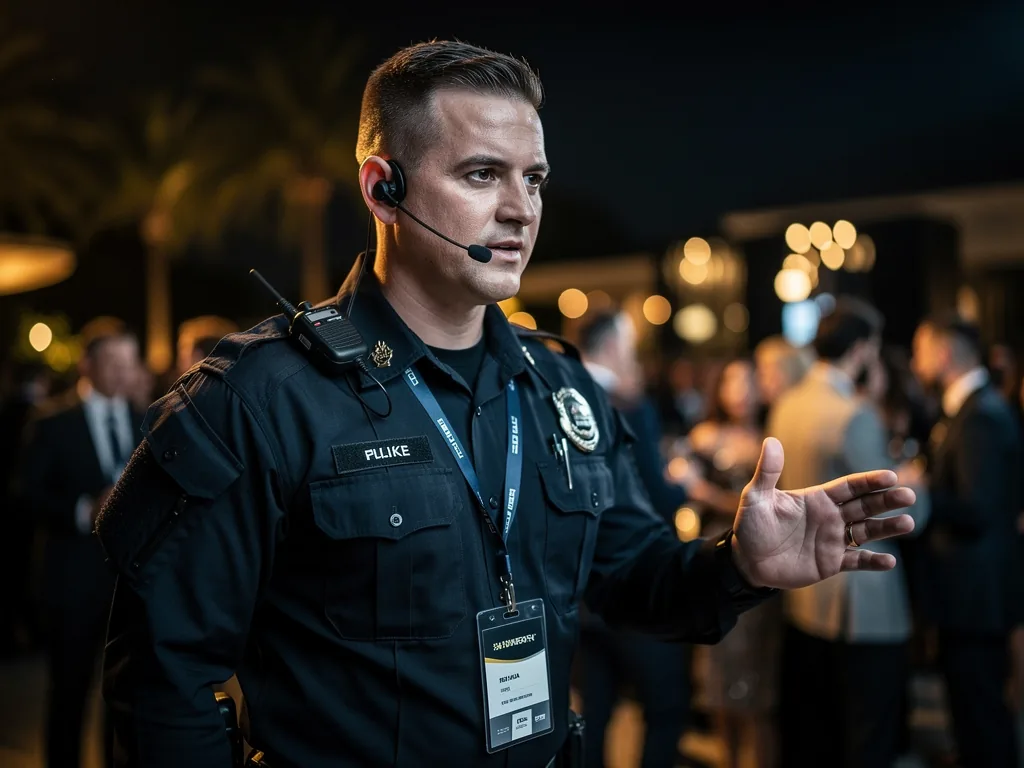
Event security covers far more than a uniformed presence at the door. Here is what the role includes, how it is planned, and where organizers should focus.
Event security is the coordinated mix of people, planning, and procedures that protect guests, staff, performers, vendors, and property at a gathering. It begins well before the doors open, with a survey of the venue and a plan for how people will enter, move through, and leave the space. On the day itself it becomes a set of staffed posts, a communications channel, and a rehearsed response to problems. Done well, it is largely invisible to guests, who simply experience an event that runs smoothly.
More Than a Uniform at the Door
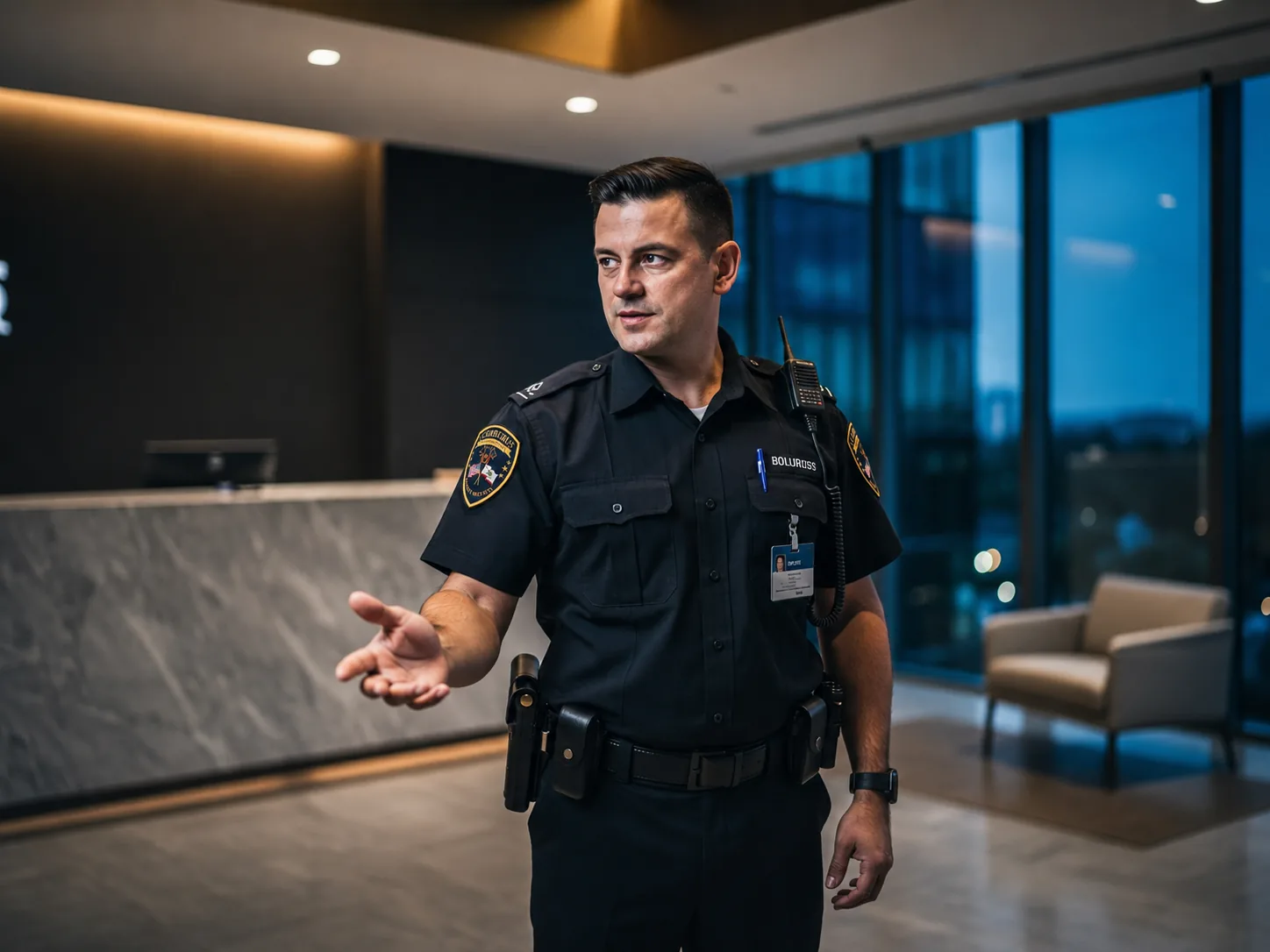
It is tempting to picture event security as a guard checking bags at the entrance. In practice the door is one post among many. A security team also manages crowd flow in aisles and concourses, controls who reaches the back of house, watches for behavior that could escalate, coordinates with medical and venue staff, and keeps exits usable at all times. A single well-placed post can matter less than a plan that keeps the whole venue observable, because most incidents start small and only become serious when nobody sees them early. The team also acts as the organizer's early warning system, reporting small problems before they escalate into ejections, injuries, or shutdowns.
The Core Functions of an Event Security Team
- Access control: checking tickets, credentials, and invitations at each entry point
- Screening: bag checks, prohibited-item searches, and entry procedures agreed with the venue
- Crowd management: monitoring density, aisles, queues, and standing areas
- Back of house: controlling access to production, talent, staff, and equipment areas
- VIP and performer protection: discreet coverage for protectees and their routes
- Incident response: a first response and escalation path for fights, medical calls, and ejections
- Egress and close-out: managing the exit, clearing the venue, and securing property afterward
How Event Security Differs by Event Type
A corporate conference, a concert, a wedding, and a community festival do not carry the same risk, even at the same attendance. A seated conference is largely predictable and centered on a stage. A general-admission concert concentrates energy at the front and around bars. A private celebration may include alcohol and family dynamics. A festival spreads people across outdoor space with many entry points. The event type shapes how many posts are needed, where they sit, and how officers are briefed. It also shapes the tone of the coverage, since a detail that reassures one audience can feel intrusive to another. Where the venue has hosted similar events before, past observations are one of the most useful inputs, because they describe how this particular space behaves when it is full.
Planning Comes Before Event Day
The most effective planning happens on site, not at a desk. A walkthrough identifies choke points, sight lines, loading access, and the spots where crowds tend to gather. From there the team can estimate attendance, agree on a credential system, choose radio channels and call signs, and decide where a command position will sit. A written brief turns those decisions into assignments that officers can follow, and it gives the organizer a single document to review before the event. That brief should be short enough that every officer reads it in full, and it should be revised if the venue layout or the program changes.
Unarmed and Armed Officers at Events
Most event posts are unarmed. A visible, professional presence handles the great majority of situations, from queue management to noise complaints to removing an intoxicated guest. Armed coverage is reserved for events where a documented risk assessment supports it, such as certain high-profile or cash-intensive gatherings. The choice affects the atmosphere as much as the budget, and the reasoning behind it belongs in the plan, so the decision can be reviewed if conditions change. In most cases a smaller, well-briefed unarmed team is more effective than a larger, unclear one.
What Event Security Is Not
Event security supports medical, fire, and law enforcement resources rather than replacing them. Officers are not the venue's medical team, they do not certify life-safety systems, and they do not set legal capacity. Their value is in observation, deterrence, de-escalation, access control, and a clear escalation path when a situation exceeds what the team should handle alone. Understanding that boundary is part of planning well, because it defines when to call for help. That division of responsibility should also be written down so officers know exactly when to escalate and who to contact.
Planning an event? Let us review the venue and build a staffing plan around it.
Request a Security Assessment →Related services and areas
Frequently asked questions
What does event security include?
Event security typically includes access control, ticket and credential checks, bag screening, crowd management, back-of-house access control, incident response, and coordination with venue staff and first responders.
Is event security the same as a bouncer?
No. A bouncer usually works a single door or bar area. Event security is a planned team with assigned posts across the venue, a communications system, and procedures for incidents that go beyond one entrance.
Do events need armed security officers?
Most events do not. Unarmed officers handle the majority of posts. Armed coverage is considered only when a documented risk assessment supports it, and the decision is usually made with the venue and organizer.
Who is responsible for security at an event?
Responsibility is shared. The organizer sets the security plan, the venue provides its rules and infrastructure, and the security provider supplies trained officers and procedures. Clear ownership of decisions should be agreed in advance.
When should event security planning start?
Planning should begin as early as the venue is confirmed. Early planning allows time for a site survey, a staffing plan, credential design, and coordination with the venue before contracts and timelines tighten.
Can event security officers remove someone from the venue?
Officers can ask a person to leave and, within the law and their training, escort them out. Serious situations are escalated to law enforcement. Procedures for ejections should be written into the security plan.