Insights & Updates
What Is Healthcare Security?
Healthcare security protects patients, staff, and visitors in hospitals, clinics, and outpatient facilities. Here is how the role works and what a program covers.
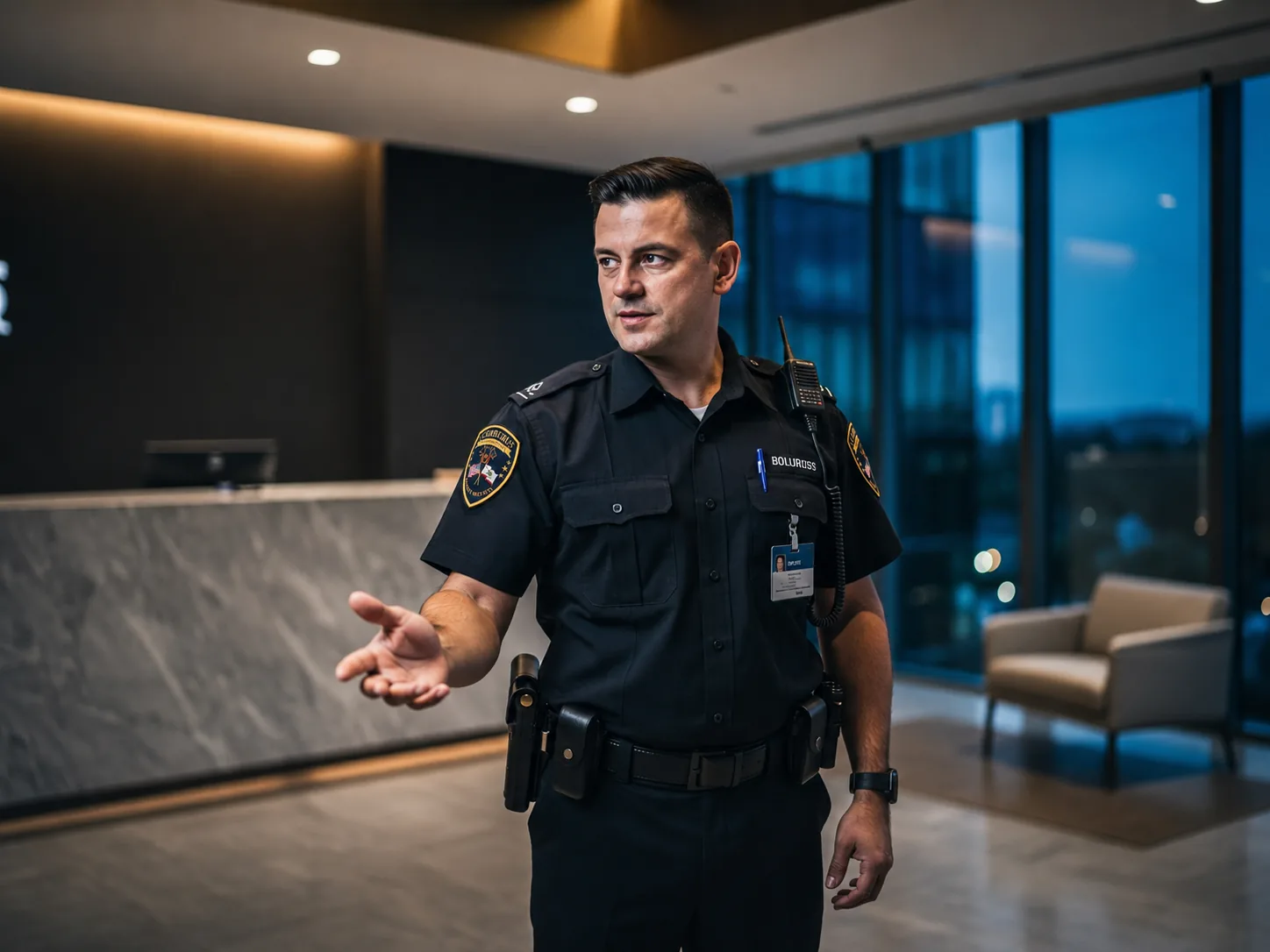
Healthcare security is the practice of protecting the people and property inside hospitals, clinics, and outpatient facilities. The setting is unusual because the public enters freely, emotions can run high, and staff must keep working through whatever is happening at the front door. A healthcare officer's job is to keep the environment calm and controlled, supporting access, watching waiting areas and entrances, and responding when a situation needs a steady presence. The best officers in this setting combine alertness with patience, because the person causing difficulty may also be someone who is frightened, in pain, or confused.
What Healthcare Security Covers
A healthcare assignment usually centers on entrances, waiting areas, and the corridors that connect them. Officers greet and direct visitors, manage sign-in, watch for people who need help, and keep an eye on exits and restricted doors. They may support access control for staff-only areas, check the parking areas and perimeter after dark, and help staff during a disruption without escalating it. Depending on the facility, the post may cover a main lobby, an outpatient clinic, a parking structure, or a combination of locations across a campus. Post orders are written around the facility layout and its daily schedule.
- Entrance and lobby coverage
- Visitor sign-in and wayfinding
- Access control for staff-only areas
- Waiting area and corridor observation
- Parking area and perimeter checks
- Calm support during disruptions
A Calm Presence in a Stressful Environment
People arrive at a healthcare facility for reasons that are often urgent and occasionally frightening. That reality shapes how an officer should work. A raised voice in a waiting area is usually about fear or frustration rather than a security threat, and the right first move is often a calm conversation instead of a confrontation. Officers who listen, explain what they can do, and involve staff at the right moment settle far more situations than officers who react to every sharp word. When a situation does require intervention, the officer acts within policy, calls for support, and documents what happened clearly and without exaggeration.
Working Alongside Care Teams
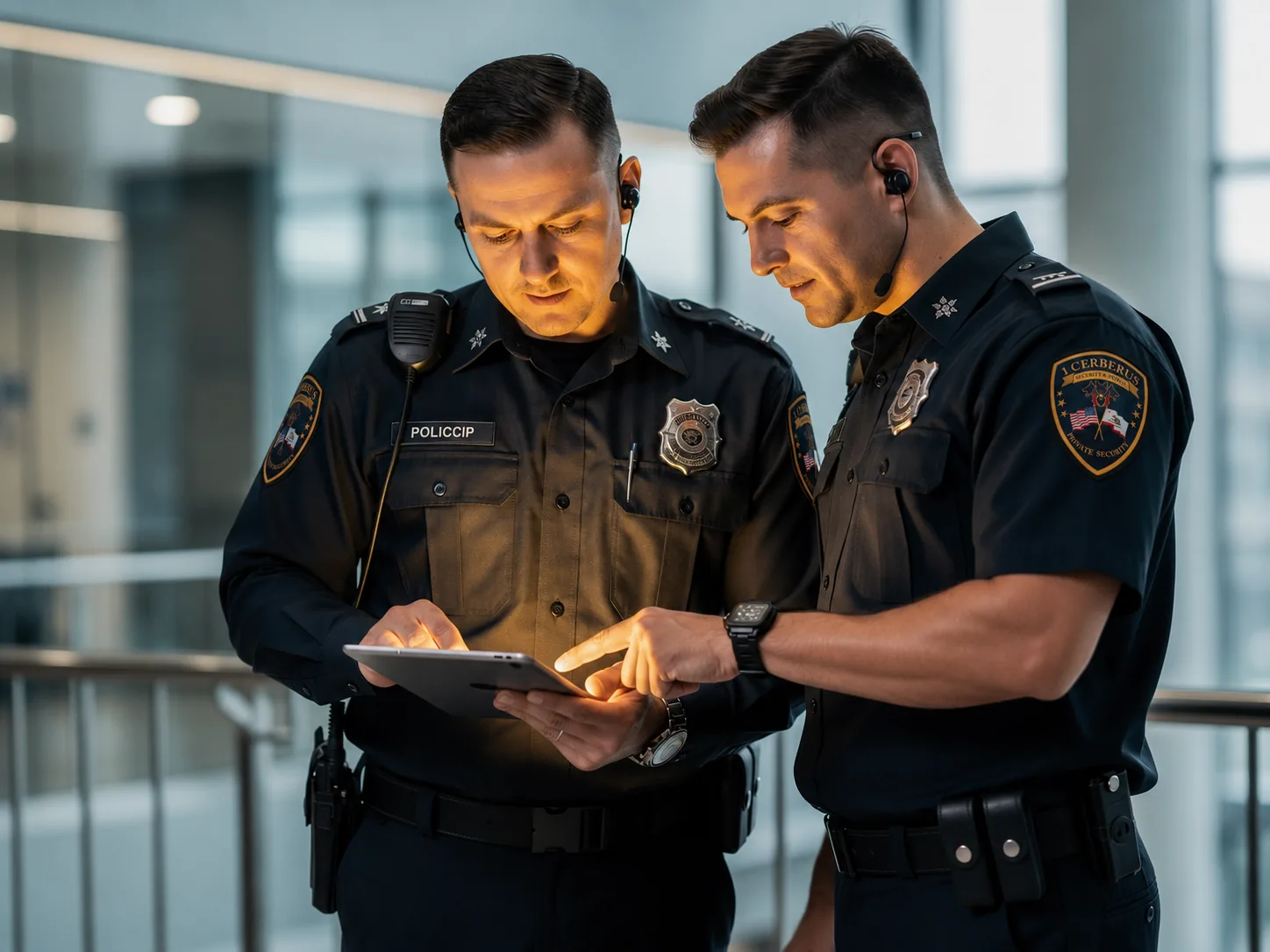
Healthcare security is a supporting role, not a separate authority. Officers need to know how the facility operates, who is on shift, and how staff prefer to be notified when something happens at the front. A short briefing at the start of a shift, and a written report at the end, keeps the care team and the security team on the same page. Officers should understand which situations they handle themselves, when to call a supervisor, and when to involve emergency services. Clear boundaries protect everyone, including the officer, and they help the facility keep its focus on the people it serves.
What to Look For in a Provider
Ask how officers are selected for healthcare assignments, how they are briefed on a facility's procedures, and how they communicate with staff during and after a shift. A provider should be able to describe a clear reporting routine and a way for the facility to raise concerns. It also helps to agree in advance on the situations the officer should handle directly and those that require a call to a supervisor or emergency services. Because healthcare sites are public-facing, the manner of the officer matters as much as the schedule. A provider who understands that is a better fit than one who treats the post like any other building.
Planning Coverage for a Facility
Every healthcare property is different, so coverage should start with a walkthrough and a conversation about the busiest hours, the layout, and the points where visitors and staff mix. From there, a provider can outline posts, hours, patrol routes, and reporting. Some facilities need a full-time lobby officer, while others need coverage at peak hours plus patrols of the parking areas and exterior. Because clinics and hospitals change with construction, new services, and shifting schedules, the plan should be revisited periodically. The aim is coverage that stays calm and consistent even when the day does not go as planned. It is also worth agreeing on a review point, such as a quarterly check-in, so the facility and the provider can adjust as services and hours change. A brief that starts each shift and a report that ends it keep the plan visible to everyone involved.
Plan healthcare facility security
Schedule a Consultation →Related services and areas
Frequently asked questions
What does healthcare security cover?
It usually includes entrance and lobby coverage, visitor sign-in, access control for staff-only areas, waiting-area and corridor observation, parking and perimeter checks, and daily reporting.
How do officers handle difficult situations?
Officers are briefed to stay calm, listen, and involve facility staff at the right moment. The approach favors a steady presence and clear communication, with escalation to a supervisor or emergency services when needed.
Can officers be posted at a clinic instead of a hospital?
Yes. Coverage is scaled to the site, so a single clinic may have one lobby officer at peak hours while a larger facility uses several posts plus patrols.
Do officers interact with visitors and families?
Yes. A large part of the role is directing visitors, answering questions, and helping people find their way, which keeps the entrance calm and the waiting areas orderly.
How is coverage scheduled?
Coverage is planned around the facility hours, peak arrival times, and after-hours access needs, and it can be reviewed as services, construction, or schedules change.
How do we request a plan?
Call 1 (800) 460-8571 or use the contact page with your facility type and hours, and we will follow up to discuss posts and coverage.