Insights & Updates
Hotel Night Security
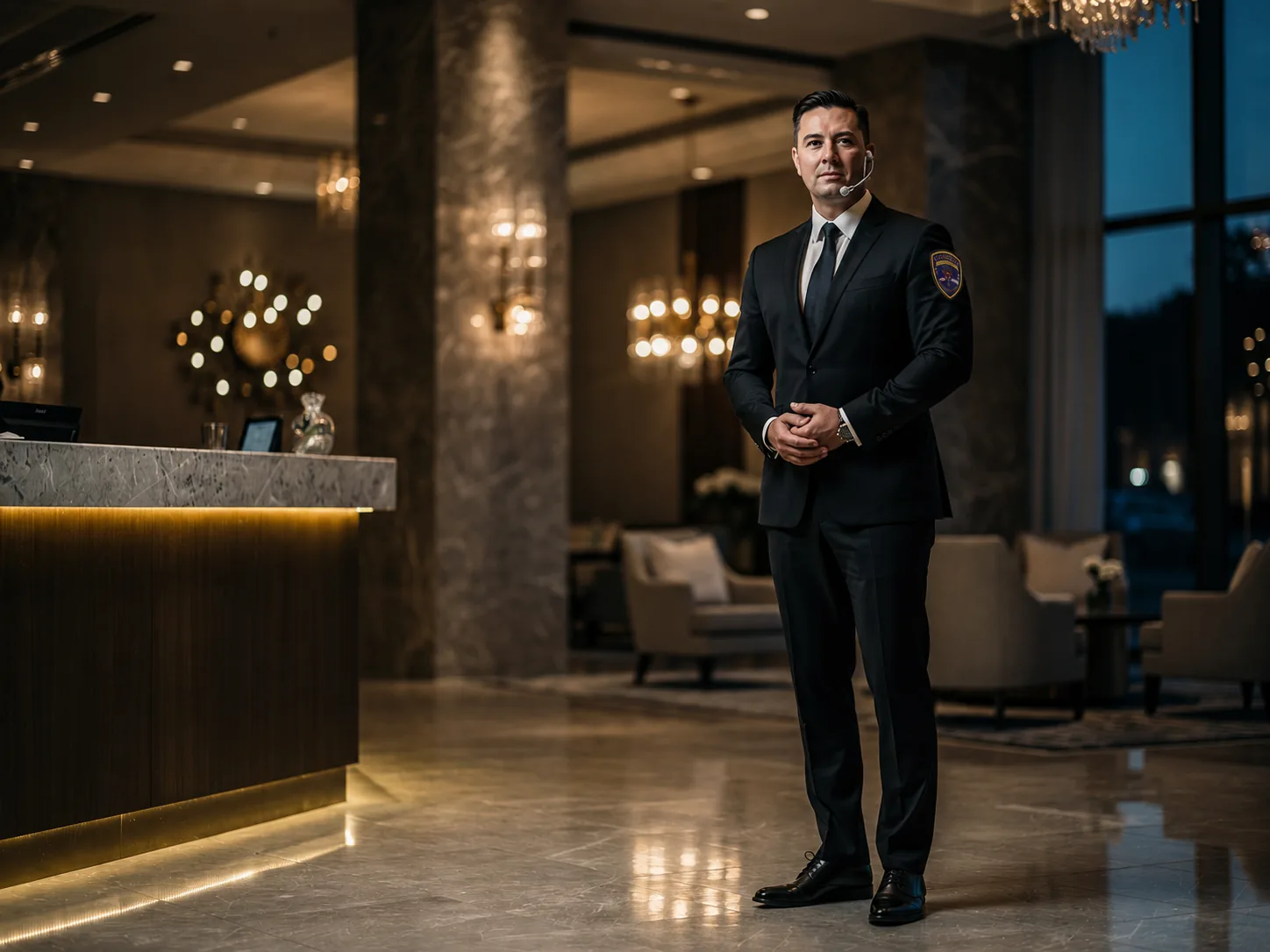
Overnight is when a hotel is most exposed and least staffed. Here is what night security covers and how to set coverage for your property.
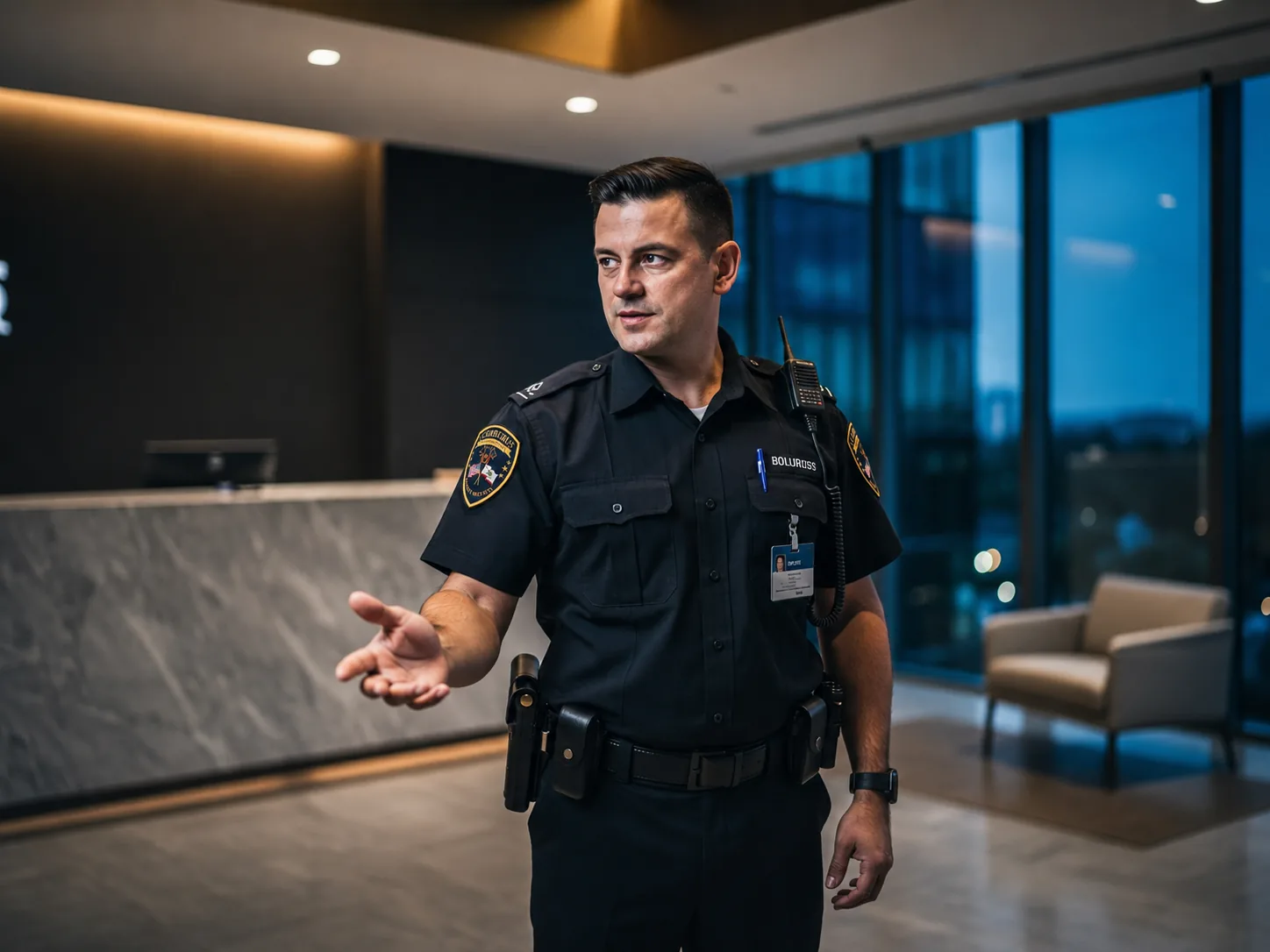
Overnight is when a hotel is most exposed and least staffed. The front desk may be down to one person, corridors are empty, and guests are arriving or returning at unpredictable hours. Hotel night security fills that gap with a trained officer who patrols the property, responds to disturbances, and provides backup until morning. For many properties it is the difference between a quiet night and an incident with no one ready for it, especially on nights when the building is full and the desk cannot leave its post. The officer also becomes the property's first point of contact for guests who need help when no one else is available, which is a service role as much as a security one.
What Changes After Midnight
The night shift operates under different conditions. Entrances that are busy during the day may be locked or monitored, deliveries and late check-ins arrive at irregular times, and alcohol from an on-site bar can still be working through the crowd. A single desk agent cannot leave the front desk to walk the floors or check a noise complaint, which is exactly when a security officer earns their place on the schedule. The officer also becomes the eyes for issues the desk cannot see, such as a propped door or a vehicle circling the lot. A written handover from the evening shift should flag anything unusual before the night begins, and the officer should confirm which areas are closed and which are still active.
A Typical Night Security Scope
Night coverage is usually built around a small number of recurring duties. The exact mix depends on the property, but most overnight posts share the same foundation.
- Lobby and entrance presence: watching arrivals, deterring trespassers, and backing up the desk
- Floor patrols: walking guest corridors and stairwells on an irregular schedule
- Noise and disturbance response: addressing complaints before they escalate
- Door and access checks: confirming back-of-house, pool, gym, and service doors are secured
- Parking and perimeter checks: looking for vehicle break-ins, loitering, and open gates
- Night audit support: accompanying staff during cash handling and watching for internal risk
- Shift handover: a written summary of the night for morning management
Escalation and Lone-Worker Safety
Because the night officer may be the only trained responder on site, the escalation policy matters more than it does on a busy day shift. The plan should state clearly when to call police, when to wake a manager, and when to request medical help. Check-in procedures, radio or phone coverage, and a preference for de-escalation over physical confrontation all reduce risk to the officer and the property. The policy should also cover what to do when the officer must leave one area to respond in another. The officer should know the layout well enough to move toward an incident without losing contact with the desk, and should be able to describe a location clearly when calling for help.
Setting the Right Hours and Post Count
There is no universal overnight formula. A limited-service property with one entrance may need a single officer on a fixed post, while a large full-service hotel may need several: lobby, floors, and periodic lot checks. Event nights, sold-out weekends, and holiday periods often justify additional coverage, especially around bar closing time. The right structure follows the building's layout, entrances, and calendar rather than a standard package, and it should be reviewed as the property's occupancy patterns change through the year. Where a property has multiple buildings or a large lot, scheduled patrol visits may be more practical than a fixed post, provided the timing is varied rather than predictable.
What to Look for in a Night Security Provider
- A current California PPO license and officers properly licensed for their posts
- A briefing process specific to overnight duties, not a generic day-shift handout
- Documented rounds and a clear reporting format for management
- Reliable communications and a defined escalation path
- The ability to add coverage during peak dates and special events
- A local supervisor who can respond if the post needs support
Ready to add overnight security at your hotel? Call our team.
Call 1 (800) 460-8571 →Related services and areas
Frequently asked questions
What does hotel night security cover?
Overnight coverage typically includes lobby and entrance presence, floor and stairwell patrols, noise response, door and access checks, parking and perimeter checks, night audit support, and a written handover for morning management.
How many officers does a hotel need overnight?
It depends on the property. A small limited-service hotel may need one officer on a fixed post, while a large full-service property may need separate lobby, floor, and lot coverage. Layout, entrances, and the event calendar drive the number.
What happens if there is an emergency overnight?
The officer follows the property's escalation policy, which should define when to call police, EMS, or a manager. They can provide first response, secure the area, and coordinate until outside help arrives.
Can night security help with late check-ins and difficult guests?
Yes. Officers can support the front desk during late arrivals, help with intoxicated or disruptive guests, and step in when a desk agent cannot leave the lobby to handle an issue elsewhere.
Is overnight hotel security only for large properties?
No. Smaller properties often arrange night coverage precisely because they have only one staff member on site. A single officer can patrol floors, check doors, and respond to disturbances that the desk agent cannot leave to handle.