Insights & Updates
What Is Hotel Security?
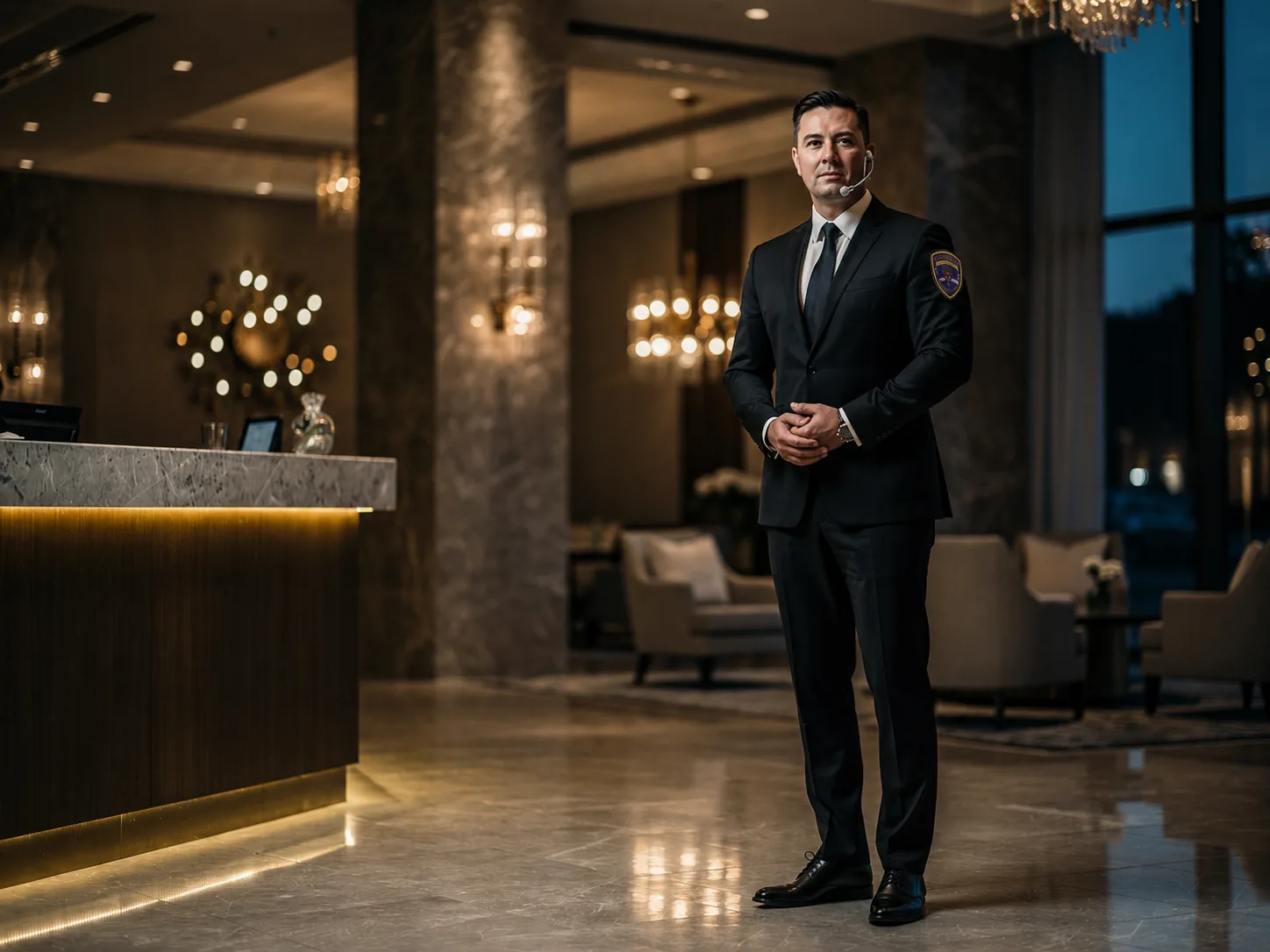
Hotel security protects guests, staff, and property while staying nearly invisible to the people it serves. Here is what the role covers.
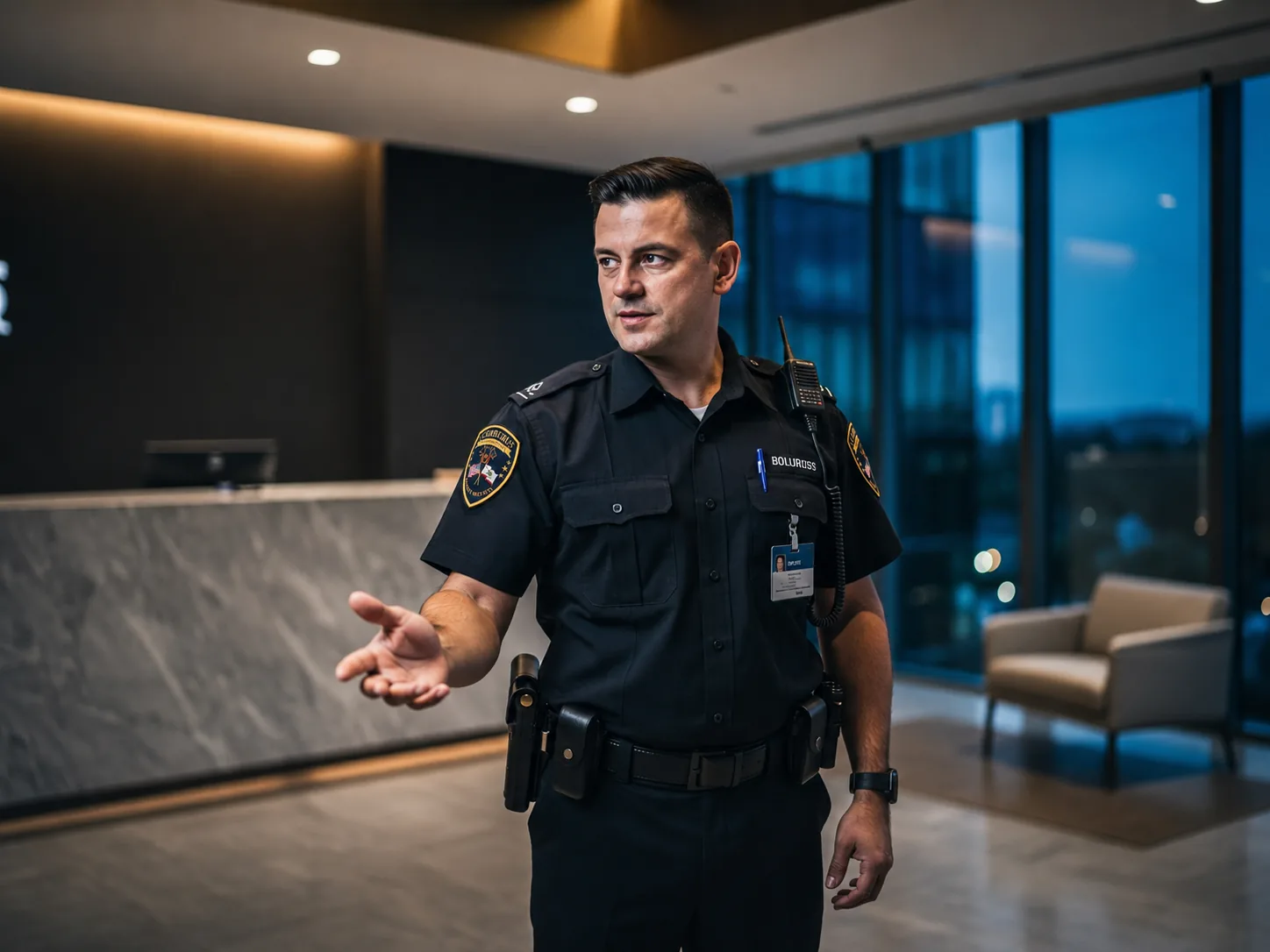
Hotel security protects guests, employees, and property while remaining almost invisible to the people it serves. The best hotel security feels like good hospitality: a calm presence in the lobby, a quick response to a noise complaint, a quiet word that defuses a situation before it becomes an incident. It combines access control and patrol work with a strong service instinct, because the same officer may need to turn away an unauthorized visitor and then help a guest find their room. The role is less about reacting to crime than about maintaining steady, visible order so small problems never grow, and much of the value shows up in incidents that never happen.
A Guest-Facing Kind of Security
Hotels are unusual spaces because the public and the private sit side by side. Anyone can walk into a lobby, but only registered guests should reach the room floors. Officers therefore spend much of their time sorting legitimate visitors from people who should not be there, and doing it politely. Discretion, patience, and clear communication matter as much as physical presence. A confrontational approach can turn a minor access question into a scene in front of other guests. Many properties also have service corridors, loading doors, and mechanical spaces that should never be reachable by a casual visitor. Access control is as much about tracking keys and credentials as it is about watching the door.
Core Responsibilities in a Hotel
- Lobby and front desk support: visible presence and backup for staff handling difficult guests
- Access control: keys, key cards, elevators, service corridors, and back-of-house doors
- Floor and perimeter patrols: corridors, stairwells, amenities, parking, and loading areas
- Noise and disturbance response: a measured approach to complaints and late-night behavior
- Trespass and loitering: identifying people who do not belong and asking them to leave
- Incident documentation: recording what happened for management and follow-up
- Emergency coordination: alarms, medical calls, evacuation, and contact with first responders
Day Coverage Versus Night Coverage
The security focus shifts with the clock. During the day, posts tend to concentrate on the lobby, meeting space, and loss prevention, with more staff on hand to share the load. Overnight, the property is quieter but the officer is often working alone and covering far more ground: late check-ins, noise calls, floor checks, and the occasional emergency. Night posts need unusually clear escalation rules because backup is farther away, and the officer may be the only trained responder until police or medical help arrives. Handover between shifts should be written, so the morning team knows exactly what happened overnight and what still needs attention.
Where Hotel Security Focuses Attention
- Guest room corridors and elevators, where unauthorized access is the main concern
- Bars, lounges, and event space, where alcohol and crowd behavior meet
- Parking structures and surface lots, which are common targets for vehicle theft
- Back-of-house and employee entrances, frequent points of unauthorized entry
- Pool, fitness, and amenity areas, which need supervision during posted hours
Security and the Guest Experience
A poorly handled security issue can damage a hotel's reputation faster than almost anything else. Officers are trained to be approachable rather than intimidating, to listen before acting, and to involve management when a decision affects a guest. Uniforms, tone, and placement all communicate something to guests, and the goal is a property that feels safe without feeling guarded. The same officer who asks someone to leave one moment may be the person a nervous guest turns to the next. Training in guest interaction is therefore as important as training in patrol procedure.
When a Hotel Should Add or Expand Security
Properties often revisit coverage after an incident, but there are better prompts: high-occupancy seasons, an active event calendar, renovation work, a change in the surrounding area, or a front desk that is routinely staffed by one person overnight. A walkthrough with a licensed provider can show where the gaps actually are, which is often not where they were assumed to be. Coverage can then be built around the property's real patterns, its occupancy calendar, and the areas that generate the most calls, rather than a generic template.
Considering security for your hotel? Request an assessment.
Request a Security Assessment →Related services and areas
Frequently asked questions
What does hotel security do?
Hotel security protects guests, staff, and property through a visible lobby presence, access control, floor and perimeter patrols, response to noise and disturbances, documentation of incidents, and coordination with emergency services.
Is hotel security different from a front desk agent?
Yes. Front desk staff handle check-in, billing, and guest services. Security officers handle access control, patrols, disturbances, trespass, and emergencies, and they can leave the desk to respond to an issue on a floor or in a lot.
Do hotels need security around the clock?
Not every property does. Coverage depends on size, location, occupancy patterns, on-site bars or events, and staffing levels. Many properties add a dedicated overnight officer while relying on other measures during the day.
How does hotel security handle noise complaints?
An officer typically responds to the complaint, speaks with the guest calmly and discreetly, explains the issue, and documents the contact. Escalation follows the property's policy if the disturbance continues.
Can hotel security ask someone to leave the property?
Yes. Officers can identify people who are not registered guests or authorized visitors and ask them to leave. Situations that escalate beyond that are referred to law enforcement under the property's procedures.
What records does hotel security keep?
Officers typically keep a daily activity log and write incident reports. These records help management follow up on guest issues, trespass warnings, and any incidents involving damage or injury.