Insights & Updates
What Is Executive Protection?

Executive protection provides discreet personal security for executives and other at-risk individuals. Here is what the role involves and how assignments are planned.
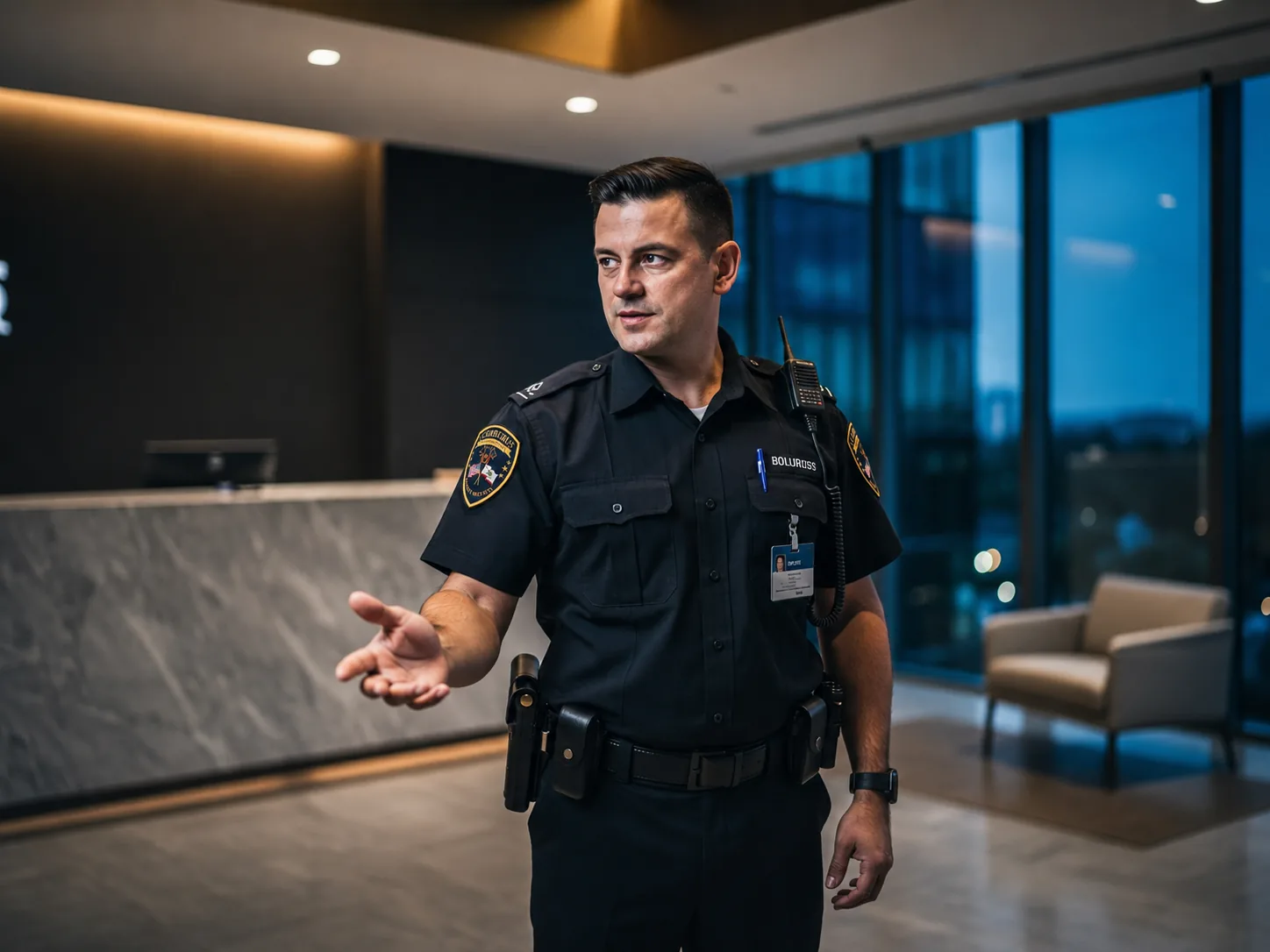
Executive protection is the practice of providing personal security for an executive, an officer of a company, a public figure, or another individual whose role or visibility creates risk beyond an ordinary office post. The work is often called close protection because the agent stays near the principal rather than standing at a fixed station. Unlike a guard at a building, an executive protection agent moves with the person, adapting to each location and schedule. The aim is to keep the day running normally by reducing exposure and managing risk quietly in the background.
What Executive Protection Covers
An assignment can range from a single meeting to a full day of travel and events. The work typically includes advance planning of routes and venues, a discreet presence near the principal during movements and public appearances, coordination with venue staff and drivers, and a clear plan for reaching help if something goes wrong. Agents may also support the principal's team with arrival and departure logistics, waiting-area control, and a quiet check of a room or route before the principal enters. The details depend on the schedule and the level of visibility involved.
- Advance planning for routes and venues
- Discreet presence during movements and events
- Coordination with drivers and venue staff
- Arrival, departure, and waiting-area support
- Clear communication and incident reporting
Discretion Is the Point
Good executive protection is rarely noticed. The agent's job is to blend into the setting, keep a respectful distance, and manage details without drawing attention to the principal. That means reading a room, understanding when to step forward and when to stay back, and communicating with the principal's team in a way that does not disrupt the schedule. A heavy-handed approach can create exactly the kind of attention the assignment is meant to avoid. Discretion is a skill, and it is one of the clearest ways to tell a professional assignment from a generic security post. An agent who is quiet, observant, and unremarkable is doing the job exactly as intended.
Planning an Assignment
Every assignment starts with a conversation about the principal, the schedule, and the events involved. Which movements are public and which are private? Are there specific locations or times that concern the team? What is the preferred level of visibility? From those answers, a provider can plan agent coverage, advance work, and communication. Assignments should be reviewed as schedules change, because a plan built for a private meeting may not fit a public appearance. The best protection plans are flexible and specific, prepared for the actual day rather than an abstract threat. A written plan the team can read before the day begins helps everyone work from the same expectations and reduces last-minute confusion.
Working With the Principal's Team
Executive protection is a partnership with the people closest to the principal, including assistants, drivers, and family members. Agents need to know who schedules the day, who is authorized to change plans, and how the team prefers to communicate. A short briefing before an assignment and a clear contact list during it prevent confusion when a route changes or a meeting runs long. The team should also know what the agent will and will not do, so expectations match the assignment. When those relationships are clear, the agent can work quietly and the principal's day stays on track.
Why Organizations Use It
Companies arrange executive protection for reasons that go beyond physical safety. A protected executive can focus on the meeting, the negotiation, or the speech instead of watching the door. A professional but unobtrusive presence can also reassure staff, partners, and family during a period of heightened attention. Perhaps most importantly, a planned approach replaces improvised decisions with clear roles and contacts. That structure is valuable whether the assignment is a routine commute, a conference, or a sensitive trip, and it lets the principal's team coordinate with one point of contact instead of managing security details themselves. That contact also makes it easier to pass along a last-minute change, from a moved meeting to an added stop, without disrupting the rest of the day.
Discuss an executive protection assignment
Contact Our Team →Related services and areas
Frequently asked questions
What is executive protection?
It is personal security for an executive or another at-risk individual, provided by an agent who moves with the person rather than staying at a fixed post. It can cover a single event or a full schedule of travel and appearances.
How is an assignment planned?
Planning starts with the principal schedule, the venues involved, and the preferred level of visibility. From there, routes, agent coverage, and communication are arranged in advance.
Will protection draw attention?
The goal is the opposite. A discreet agent blends into the setting and manages details quietly so the principal's day proceeds normally and the security effort stays in the background.
Can protection cover travel and events?
Yes. Assignments commonly include movements between locations, public appearances, meetings, and waiting-area support, coordinated with drivers and venue staff.
How many agents are needed?
That depends on the schedule, the venues, and the level of visibility. Some assignments use a single agent, while others need more coverage for public events or several movements in a day.
How do we discuss an assignment?
Call 1 (800) 460-8571 or use the contact page. We will talk through the schedule and locations before proposing a plan.