Insights & Updates
Why Do Construction Sites Need Security?
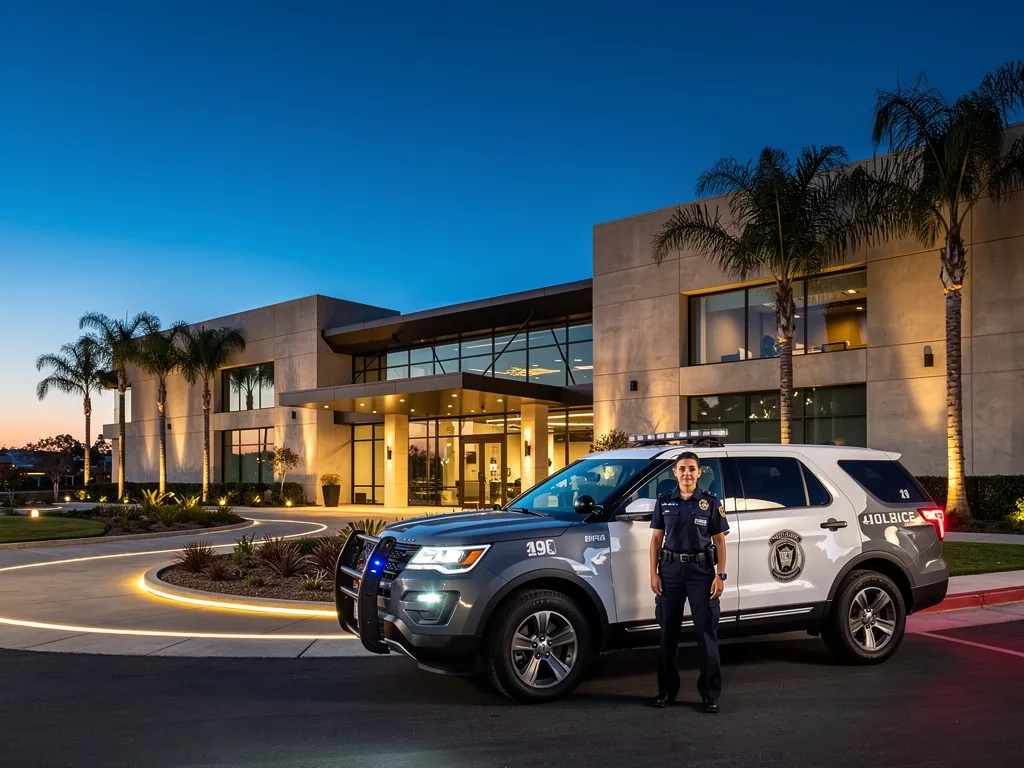
Construction sites hold valuable equipment and materials in an open, changing environment. Here is why that combination draws security attention.
A construction site is a workplace, a storage yard, and a work in progress at the same time. It holds tools, equipment, copper, fuel, and building materials that have real resale value, and it often sits behind temporary fencing with limited lighting. Those facts explain why construction sites attract security attention. This article walks through the main reasons a project adds security coverage and what each one means in practice for the people managing the site. None of these reasons is about a single type of property. They apply to a small renovation and a large phased development alike, though the amount of coverage each one needs will differ.
Valuable Assets Are Stored in the Open
Unlike an office, a construction site cannot lock everything away at the end of the day. Excavators, generators, compressors, welding equipment, and tool trailers may stay on site because moving them nightly is impractical. Materials such as copper wire, pipe, lumber, and fixtures are stored where the work is happening. The result is a concentration of valuable, portable items in an environment that was not designed for secure storage. That is the core exposure that security coverage is meant to address.
Temporary Boundaries Are Easier to Cross
Permanent buildings have walls, doors, and locks. Construction sites have chain-link fence, fabric screen, and gates that may stand open for deliveries. Fence lines can be cut or climbed, and a site with several trade entrances can be difficult to control fully. The point is not that temporary fencing is useless. It is that it does less on its own than a finished building's perimeter, so a visible presence and regular checks add a layer that fencing cannot provide by itself. A gate left propped open for a delivery, for example, can undo an otherwise sound perimeter in a matter of minutes, which is why controlled entry procedures matter as much as the fence itself.
The Site Is Often Empty and Unlit
Construction schedules run during daylight hours for most trades, which leaves nights and weekends quiet. Quiet also means no one is watching. Temporary lighting may cover only part of the site, and neighboring properties may not have a clear view of the yard or the rear of the structure. Those long unattended stretches are when a site is most exposed, and they are usually where after-hours coverage is focused.
What the Exposure Costs a Project
- Replacement cost: Stolen tools and equipment have to be replaced, often at short notice and at full price.
- Schedule delay: A missing piece of equipment can stall a trade and push back dependent work.
- Damage and vandalism: Broken fixtures, cut wiring, or damaged equipment add repair work that was not planned.
- Follow-on security: A breach can mean new fencing, lighting, or rekeying on top of the original loss.
- Insurance and documentation: Insurers and project owners often want to see that reasonable steps were taken to protect the site.
Security Is One Part of a Broader Site Plan
Security works best alongside other measures rather than in place of them. Good lighting, controlled entry points, locked storage containers, tool-tracking practices, and a clear procedure for reporting losses all limit the opportunity for theft and help a security provider focus its coverage. When a project treats security as part of site management, officers can be positioned at the gates and storage areas that matter most, and their reports feed back into the site's own records. Those records also help the project explain what happened if a loss occurs, because they show a documented pattern of checks rather than an informal arrangement.
How Projects Decide on Coverage
The decision usually comes down to what is on site, how long the site sits unattended, how exposed the perimeter is, and what the project's insurance or owner requires. A short renovation in a busy area may need little more than overnight checks, while a large phased project with heavy equipment may justify a dedicated post plus patrol. A walkthrough with a licensed provider gives the project team a specific recommendation instead of a general one. It also helps to revisit the plan as the project moves through phases, because the assets on site and the exposure around them change over time.
Evaluating security for a job site? Schedule a walkthrough with our team.
Schedule a Consultation →Related services and areas
Frequently asked questions
Do construction sites really need security?
Not every site needs the same level of coverage, but sites that hold valuable equipment and materials and sit unattended overnight have a real exposure. Whether coverage is justified depends on the site's contents, location, and schedule.
What is most commonly taken from construction sites?
Common targets include tools, copper wiring and pipe, fuel, generators and other small equipment, and building materials that are easy to move and resell. What is stored on a given site drives what needs protecting.
Is construction site security expensive?
Cost depends on the coverage model. A randomized mobile patrol costs less than a dedicated full-time post, and many projects use a mix. Pricing is based on hours, number of posts, and the site's requirements.
Can security guards work alongside construction crews?
Yes. Officers can be on site during working hours to manage access and deliveries, and they commonly work after hours when the site is empty. Their schedule is set around the project's needs.
What should a project look for in a construction security provider?
Look for a licensed provider with experience on active job sites, clear reporting, and a willingness to walk the site and adjust coverage as phases change. Ask how officers are supervised and how incidents reach the project team.